
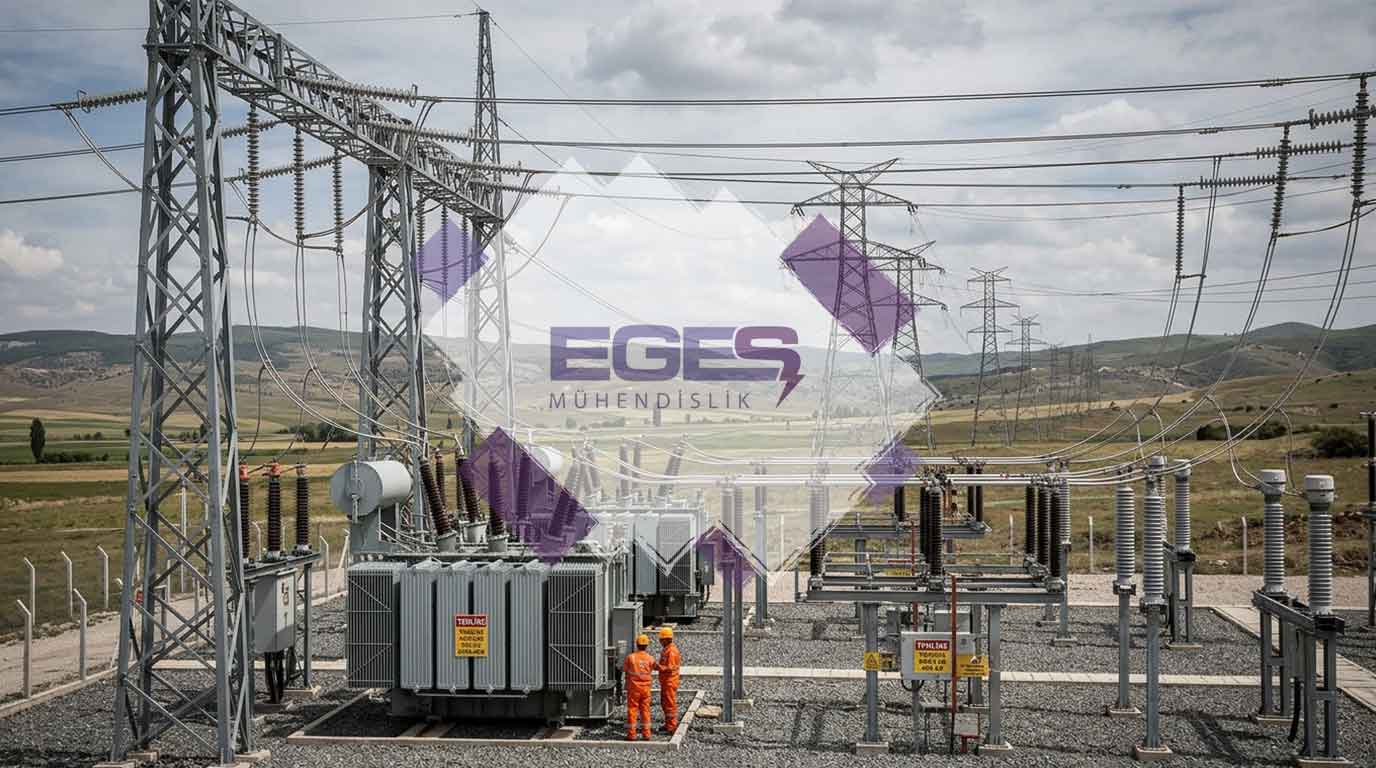
The transmission of electrical energy from power plants to cities and from factories to homes is a complex engineering process. One of the most critical concepts in this process is high voltage, it ensures that energy is transmitted over long distances with minimal loss. So, technically What is high voltage? And why are such high voltages needed?
What Is Voltage? What Does Voltage Mean?
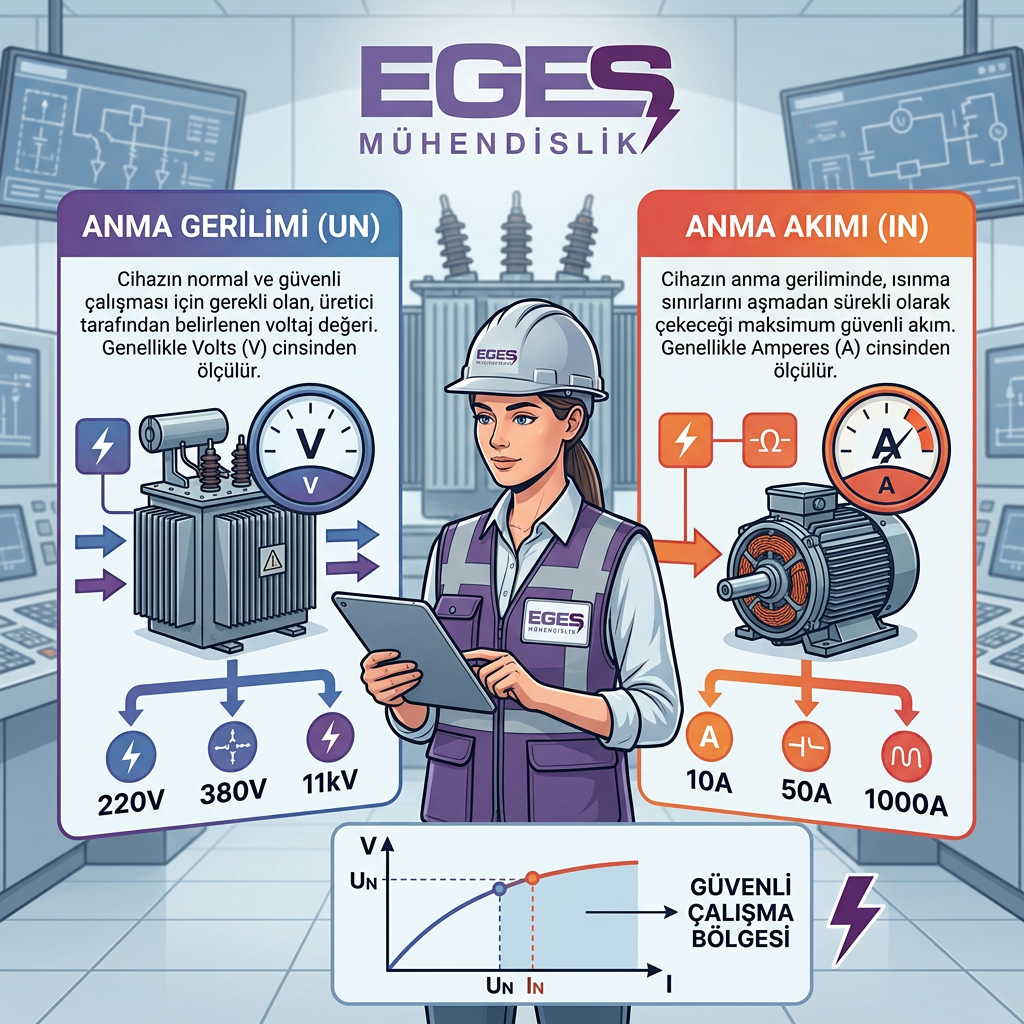
First, let’s clarify the basic concepts. What is voltage?? Voltage is the difference in electrical potential between two points. It can also be defined as the “driving force” that causes electrons to move through a conductor. We often hear about it in everyday life What does "voltage" mean? That is exactly the answer to the question; "voltage" and "potential" refer to the same concept.
What Is a Unit of Voltage?
Used in electrical projects and technical documents unit of voltage Volt"volt (V). When referring to higher voltages, the unit kilovolt (1 kV = 1,000 volts) is preferred."
How Many Volts Is High Voltage?
According to electrical engineering standards and regulations, voltage levels are classified into categories. So, How many volts is high voltage? How is it evaluated?
- Low Voltage: Voltages of 1,000 volts (1 kV) and below.
- High Voltage: All voltage levels above 1,000 volts fall into the high-voltage (HV) category.
- In Turkey, transmission lines typically operate at very high voltages, such as 154 kV and 380 kV.
What Is a High-Voltage Power Line?
The system used to transmit electrical energy from power plants to distribution areas What is a high-voltage power line? We could say this is the answer to that question. These lines are constructed using massive steel towers and insulators with high insulation capacity. High-voltage power line, by transmitting energy at high voltage and low current, it minimizes heat loss (energy waste) in the conductors.
What Is Hazardous Voltage?
The passage of an electric current through the human body poses serious risks. What is hazardous voltage? This question generally refers to the limits at which people are at risk of being electrocuted. According to the standards;
- In dry environments 50 Volts and above,
- In wet environments, however, 25 Volts and above is considered the “dangerous voltage” threshold.
Since these values are thousands of times higher in high-voltage areas, it is vitally important that only specially trained personnel and protective equipment be allowed in these areas.
Applications of High Voltage
High voltage It is used not only in transmission lines but also at the main entrances of industrial facilities, in large substations, and in certain specialized medical devices (such as X-ray machines). When electricity reaches the city, it is first stepped down to medium voltage via high-voltage transformers, and then to the 220V low-voltage level we use in our homes.
 Turkish
  English
  German
  French
  Arabic
  Azerbaijani