
One of the most critical points along the path that electrical energy takes from the point of generation to the end user is substations. These facilities, which regulate the voltage in power transmission lines, are the cornerstone of modern electrical grids. So, technically speaking, substation What is it, and why is it so important?
What Is a Transformer? What Does "Transformer" Mean?
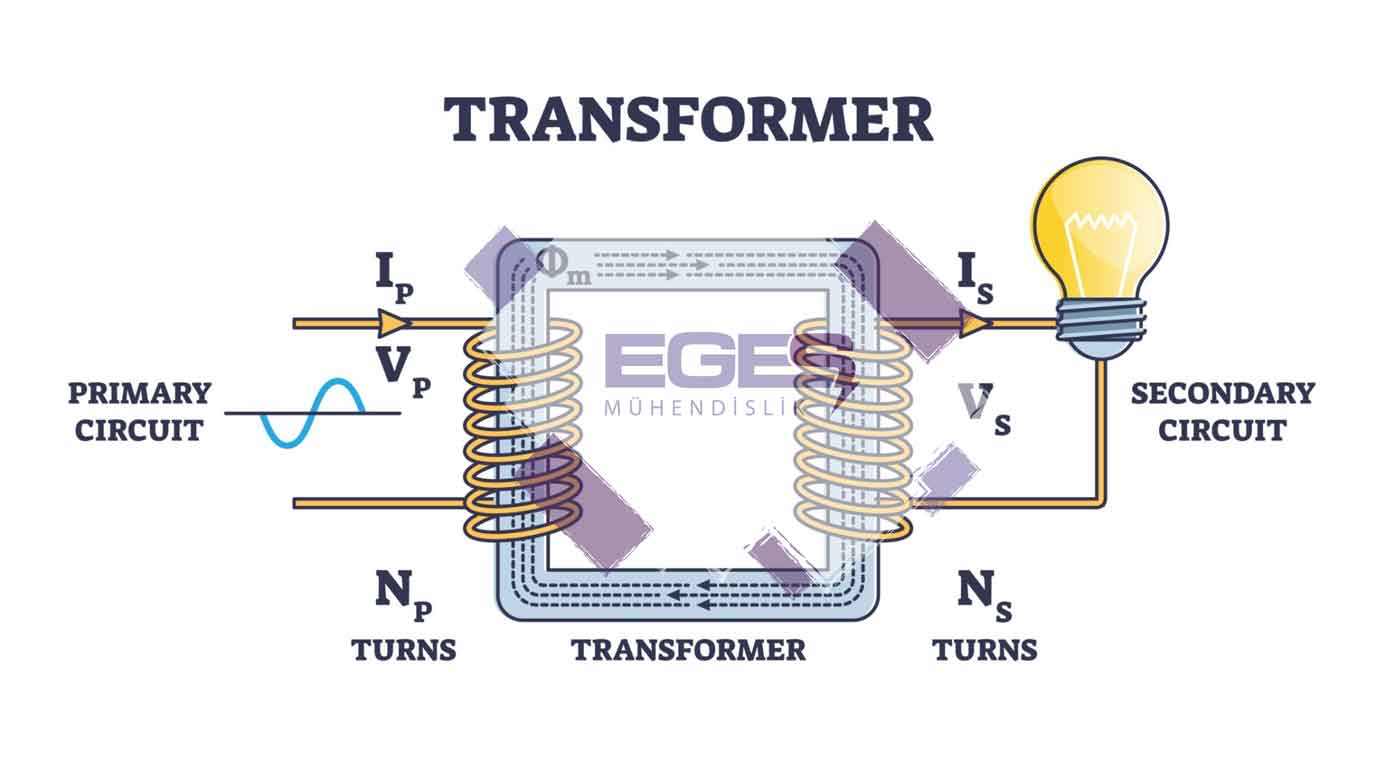
For those unfamiliar with the industry, let’s start from the very basics: What does "transformer" mean?? "Trafo" is an abbreviation of the word "transformer." What is a transformer? The technical answer to the question is: It is a static electrical machine that converts the voltage and current values of electrical energy through electromagnetic induction without changing its frequency.
What Is a Transformer Used For?
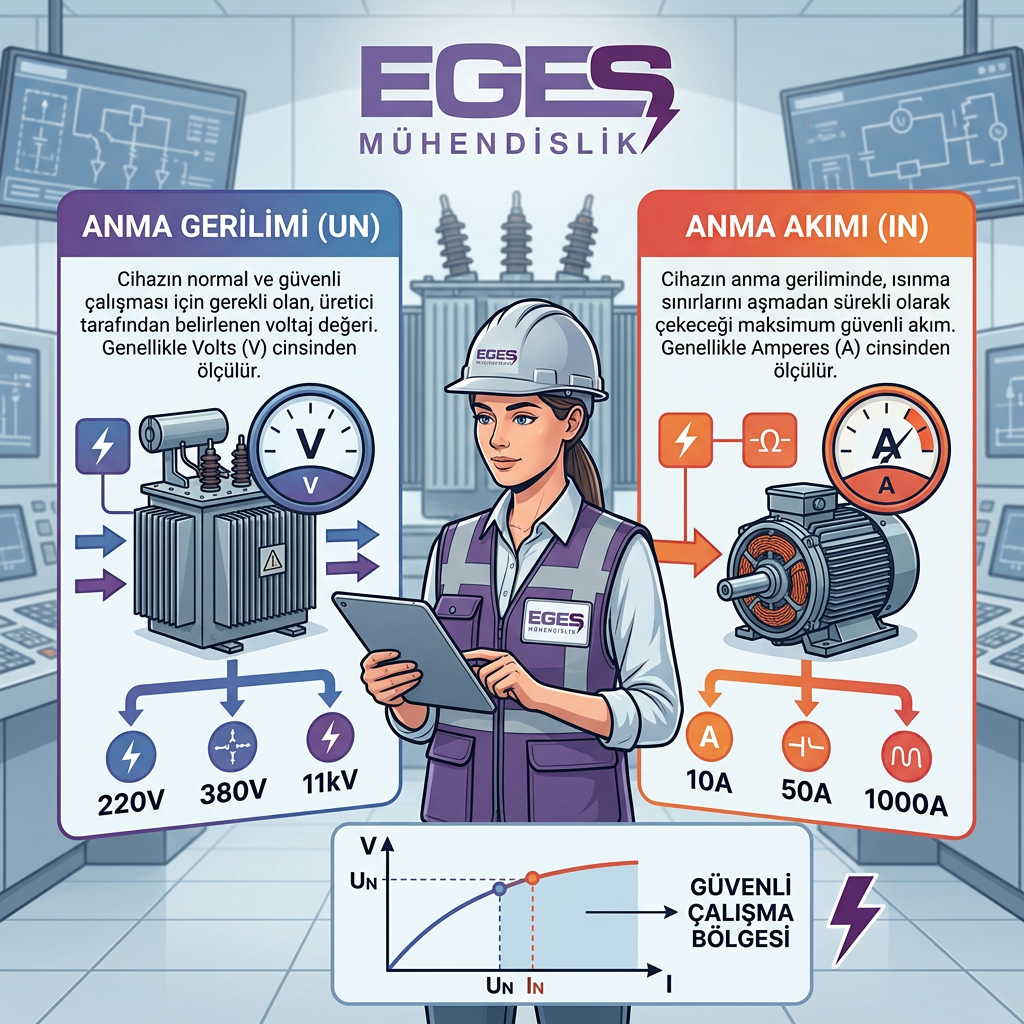
Electricity is transmitted at high voltages to prevent heat loss as it is transported over long distances from power plants. However, this high voltage is not suitable for appliances in homes and workplaces. This is where What is a transformer used for? This raises the question: Transformers step down electricity to safe levels suitable for the utility grid (typically 220V or 380V) or, conversely, step it up for transmission.
How a Transformer Works
How a Transformer Works, It is based on Faraday’s law of induction. A transformer essentially consists of two coils (primary and secondary) wound around an iron core. The alternating current applied to the primary winding creates a varying magnetic field around the core; this magnetic field, in turn, induces a voltage in the secondary winding. The ratio of the number of turns determines how much the voltage will be stepped up or stepped down.
Getty Images
What Are the Different Types of Transformers?
Depending on the intended use and type of insulation, there are many Types of Transformers is available:
- Power Transformers: It is generally used to transform high levels of power in transmission lines.
- Distribution Transformers: These are the transformers we see on the streets that supply electricity to end users.
- Measuring Transformers: It is used to measure current and voltage values (Current and Voltage Transformers).
- Dry-Type and Oil-Filled Transformers: They are classified according to their cooling and insulation materials.
Where Are Transformers Used?
Behind nearly every electrically powered system there is a transformer. Where are transformers used? The main answers to this question are as follows:
- Power Transmission and Distribution Lines: At the entry points to the city's utility network.
- Industrial Facilities: To power high-power machinery in factories.
- Residential and Commercial Buildings: At the main power distribution points at building entrances.
- Electronic Devices: In the small adapters that regulate the voltage inside the devices.
Substation Security
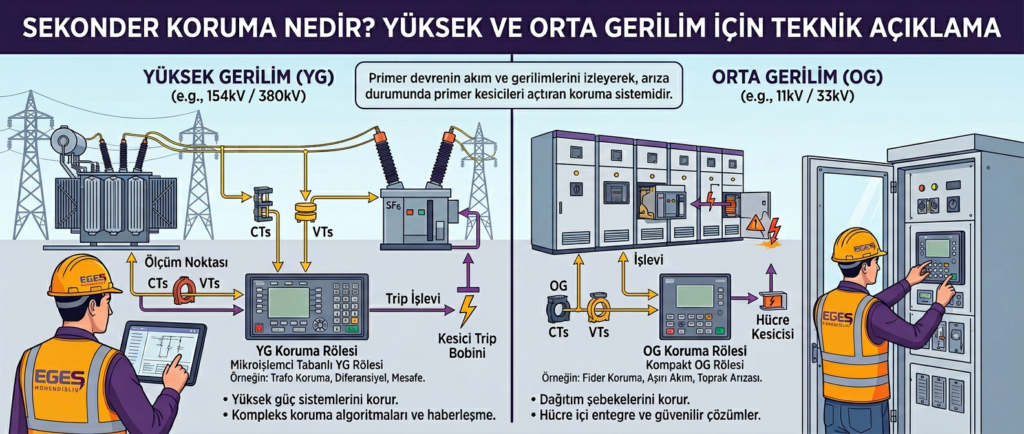
One substation...is not just a transformer; it also contains circuit breakers, isolators, protective relays, and measuring instruments. Regular maintenance of these substations is vital for both preventing power outages and minimizing risks such as fire.
 Turkish
  English
  German
  French
  Arabic
  Azerbaijani