

Electrical Engineering, is a broad field of engineering that involves the design, development, and implementation of systems related to the generation, transmission, distribution, and use of electrical energy, utilizing the principles of electricity, electronics, and electromagnetism. This discipline operates in a wide range of fields, from power systems to electronic devices, and from communication networks to automation technologies.
Core Areas of Electrical Engineering:
-
Electric Power Systems:
- Power Generation: Electrical engineers use generators, turbines, and renewable energy sources such as solar and wind to generate electricity at power plants.
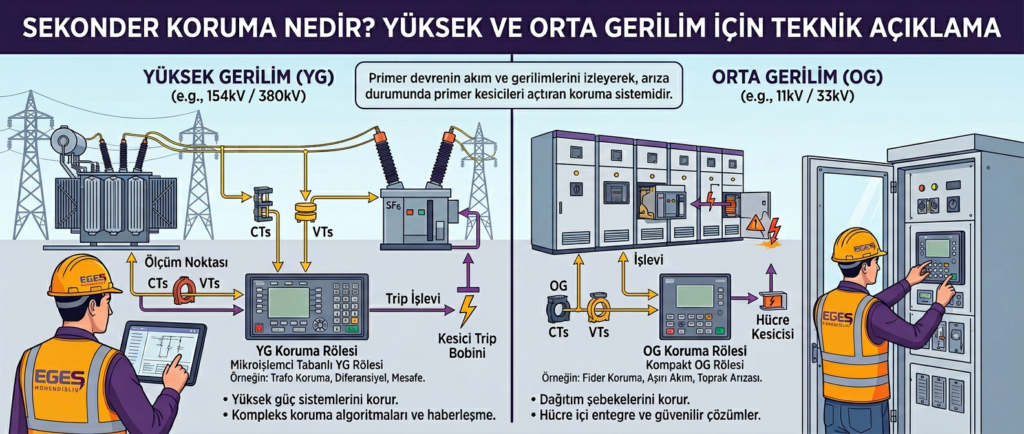
- Power Transmission and Distribution: Designs and manages grid systems, transformers, and transmission lines to transmit and distribute generated electricity over long distances.
-
Electronics:
- Electronic Circuits: Electrical engineers design electronic systems using components such as integrated circuits, transistors, and resistors.
- Microprocessors and Microcontrollers: They play a role in the development of microprocessors and microcontrollers used in the electronic devices of our daily lives.
-
Automation and Control Systems:
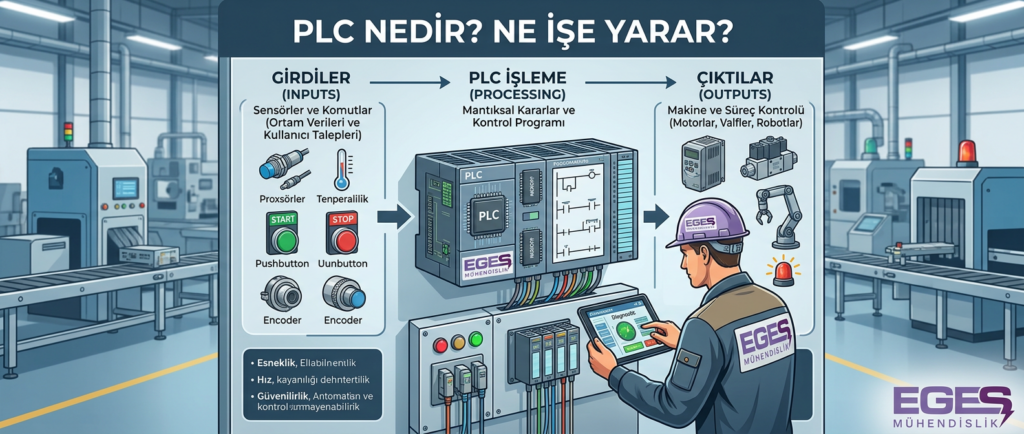
- Industrial Automation: They use technologies such as PLCs (Programmable Logic Controllers) and SCADA (Supervisory Control and Data Acquisition) systems for the automation of factories and industrial processes.
- Robotics: They are involved in the control and design of robots.
-
Communications and Telecommunications:
- Communication Systems: They design wired and wireless communication systems and work in fields such as internet infrastructure, radio frequencies, and satellite communications.
- Signal Processing: They manage processes such as the processing, compression, and transmission of audio, video, and data signals.
-
Renewable Energy Systems:
- Solar Energy: Design and integration of solar panels.
- Wind Energy: The development of wind turbines and other renewable energy systems.
-
Electrical Machinery:
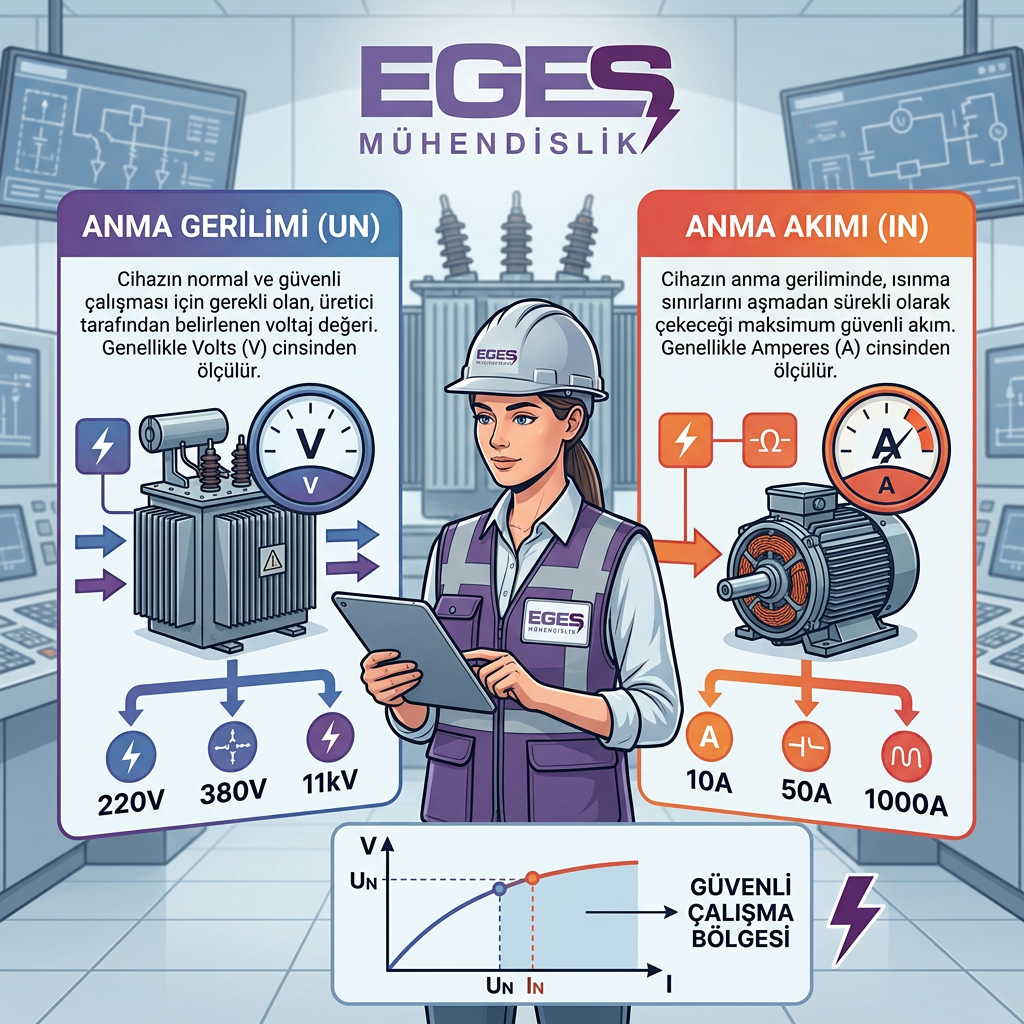
- Motors and Generators: The design and optimization of large electrical machines, such as electric motors, generators, and transformers.
Fundamental Components of Electrical Engineering:
-
Circuits and Systems:
- Design, analysis, and optimization of electrical circuits.
-
Electromagnetism:
- The course covers electromagnetic fields and waves, magnetic circuits, and electromechanical systems.
-
Power Electronics:
- Research is conducted on the conversion of electrical energy, power control, and distribution systems.
-
Control Theory:
- Algorithms and methods are developed to automatically control systems.
Fields of Application in Electrical Engineering:
- Electric Power Grids: Electrical engineers ensure energy distribution in cities and manage electrical grids.
- Renewable Energy: It develops environmentally friendly energy systems such as solar, wind, and hydroelectric power.
- Telecommunications: It forms the infrastructure for telephone, internet, and wireless communication systems.
- Automotive Industry: He works on innovative technologies such as electric and hybrid vehicles.
- Defense and Aviation: He is involved in the design of radar systems, missiles, and electrical systems for aircraft.
The Importance of Electrical Engineering:
- Electricity in Everyday Life: Electrical engineers ensure the reliable use of electrical energy in every field, from the appliances we use in our homes to industrial production.
- Technological Advances: Electrical engineers are the driving force behind modern technological advancements such as electronic devices, smart city technologies, and energy-saving solutions.
- Efficiency and Sustainability: Electrical engineers work to reduce energy consumption and promote the use of environmentally friendly energy sources.
Electrical engineering is a field that is constantly evolving through advancements in energy efficiency, renewable energy, and modern technologies. Electrical engineers play a critical role in ensuring that energy systems operate sustainably and safely around the world.

 Turkish
  English
  German
  French
  Arabic
  Azerbaijani